Fast answer
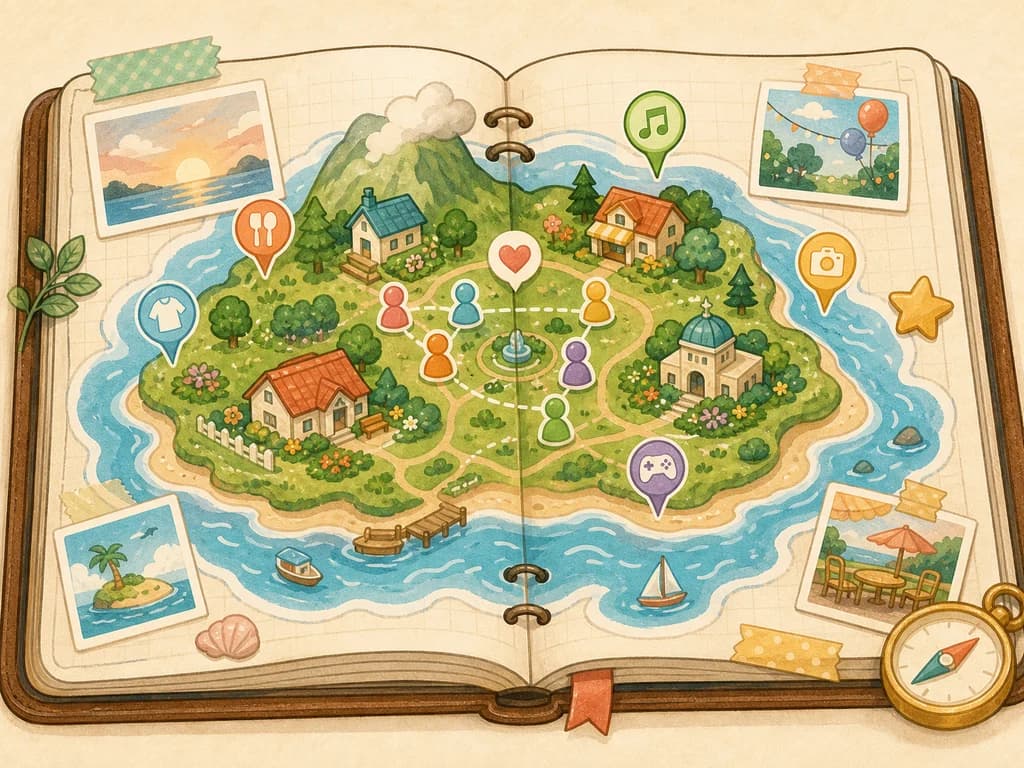
Tomodachi Life: Living the Dream is best understood as an observation-first life sim. You create residents, learn what they like, give them food, clothes, treasures, and gifts, place them near each other when you want them to meet, then watch the island generate everyday stories.
It is not a direct-control romance simulator or a game where every relationship outcome can be forced. Nintendo describes nudging interactions and setting dating preferences, while Miis continue interacting on their own.
| Question | Short answer | Best next page |
|---|---|---|
| What is it? | A Mii island life simulation about residents, relationships, and surprises. | Beginner guide |
| Is it out? | Yes, Nintendo lists April 16, 2026 as the release date. | Release date |
| Should I try it first? | Yes if you are unsure; the free demo supports three Miis and save transfer. | Free demo |
| How many Miis can I have? | Nintendo Support says up to 70 Miis. | Mii creation guide |
| Is Switch 2 different? | Same software content, with Switch 2 play-experience advantages. | Switch 2 guide |
Who should play
Use this section to decide whether the game fits you. The best match is someone who enjoys character creation, low-pressure daily checking, odd social events, and seeing small stories emerge from a custom cast.
| Player type | Fit | Why |
|---|---|---|
| Mii creator | Strong fit | The game starts with building residents from scratch, with help, or from console Mii faces. |
| Cozy daily checker | Strong fit | Residents reveal likes, dislikes, relationships, and island moments over time. |
| Fast action player | Weak fit | The core loop is observation, care, and surprises rather than reflex challenges. |
| Romance planner | Mixed fit | Dating preferences matter, but the game does not offer a reliable force-pair workflow. |
| Family/shared-console player | Good fit with setup care | Each system user has one separate save file, so choose the island owner before starting. |
Broad-search decision router
Use this if you arrived from a broad search and still do not know what you need. The overview should answer the first question, then route you to the page that solves the next one.
| What you really need | Best next action | Why |
|---|---|---|
| A plain definition | Read the fast answer and what-you-do sections. | They explain the game loop without assuming series knowledge. |
| A buy-or-wait decision | Use the release date and demo pages. | Price, region, storage, and demo fit matter more than broad impressions. |
| A first-session plan | Use the beginner guide after this overview. | The first system user, starter Miis, and early routine shape the save. |
| A family decision | Use the parents' guide. | GameChat, sharing, spending, real-person Miis, and relationship comfort need separate review. |
| A returning-player comparison | Use the Switch vs 3DS guide. | Returning players need current rules, import limits, and 3DS-era expectation checks. |
What you actually do
The value of this overview is connecting the store description to real play decisions. Nintendo describes creating Mii characters based on yourself, family, friends, or original ideas, then learning their likes, dislikes, relationships, and island life.
| Activity | Officially supported detail | Player takeaway |
|---|---|---|
| Create residents | From Scratch, Get Help, console Mii faces, and local wireless exchange are described by Nintendo sources. | Plan your first residents before filling the island. |
| Care for Miis | Food, clothes, treasures, gifts, quirks, expressions, and likes/dislikes are part of the loop. | Track reactions instead of guessing blindly. |
| Build relationships | You can place Miis near each other; once acquainted, they may interact on their own. | Influence conditions, but do not expect guaranteed outcomes. |
| Shape the island | Nintendo Store describes shops, Wishing Fountain, Palette House, Quick Build amenities, and more facilities. | Use facilities after you understand what your residents need. |
| Try before buying | The demo allows up to three Mii characters and save data transfer after purchase. | Use the demo as a fit check. |
First-save safety checklist
Before the island becomes important, check the setup decisions that are easiest to regret later. This is especially useful for families, shared consoles, and players coming from the demo.
| Check | Safe choice | Why |
|---|---|---|
| System user | Start on the profile that should own the island. | Nintendo Support says each system user has one separate save file. |
| Demo save | Keep the demo save until the full game sees it. | Nintendo says demo save data can transfer after purchase. |
| Starter cast | Begin with a few distinct Miis before expanding. | The full game supports up to 70 Miis, but readability matters early. |
| Dating preferences | Set preferences intentionally during Mii creation. | Nintendo Support says they affect who Miis may fall in love with. |
| Switch 2 expectations | Expect the same software content with play-experience advantages. | Nintendo Support says Switch 2 software content is not different. |
Best path after this overview
A good overview should reduce pogo-sticking. If you came here from a broad search, use this path instead of going back to the search results.
- Read the release date guide if your next question is price, file size, platform, or Switch 2 support.
- Use the free Tomodachi Life demo download guide if you are unsure whether the pacing and Mii creation are right for you.
- Start with the beginner guide if you already own the game and need a first-day checklist.
- Open the Mii creation guide before creating a large cast or setting dating preferences.
- Read the relationships guide if you want romance, marriage, roommates, or babies without false guarantees.
First-hour route
If you already have access to the game or demo, use this route instead of opening random guides. It keeps the first session focused on choices that are hard to undo or easy to misunderstand.
| Step | Do this | Why it matters |
|---|---|---|
| 1 | Choose the correct system user before starting. | Nintendo Support says each user has one separate save file. |
| 2 | Use the demo if you are unsure about the game's rhythm. | Nintendo says the demo supports three Miis and save transfer after purchase. |
| 3 | Create three distinct residents before filling the island. | The demo limit is small, while the full game can support up to 70 Miis. |
| 4 | Check gender and dating preferences intentionally. | Nintendo Support says these settings affect whether Miis may fall in love. |
| 5 | Watch a few island interactions before buying many items. | Nintendo Store describes likes, dislikes, relationships, food, clothes, gifts, and other care loops. |
Choose the right deeper guide
The overview should answer the broad query, then send players to the exact page that solves their next problem. Use this map when your question becomes more specific.
| Your next question | Use this page | What it solves |
|---|---|---|
| Can I try it before paying? | Free demo | Demo limits, Hamster Costume, store path, and fit check. |
| Will demo progress carry over? | Demo save transfer | User profile, save preservation, and transfer checklist. |
| How should I build my first cast? | Mii creation guide | Creation routes, 70-Mii limit, gender, preferences, and import boundaries. |
| Can I make two Miis date? | Relationships guide | Preference setup, influence limits, and relationship troubleshooting. |
| Is it worth playing on Switch 2? | Switch 2 guide | Same content, faster loading, GameChat, controls, and setup checks. |
What not to assume
Many broad overview pages overpromise. These boundaries are important because they prevent the wrong purchase or the wrong first save.
| Assumption | Better answer | Why |
|---|---|---|
| Switch 2 has different content | Nintendo Support says software content is not different. | Expect play-experience benefits, not a separate version. |
| Every pair can be forced into romance | Preferences and nudges matter, but outcomes are event-driven. | Use the relationships guide instead of chasing fake formulas. |
| Miitopia imports directly | Nintendo Support says direct import from other software such as Miitopia is not supported. | Plan Mii setup around console faces and in-game creation. |
| Tomodachi-made Miis export to other games | Nintendo Support says they cannot be transferred out. | Create important residents knowing they stay in this game. |
| All users share one island | Each system user has one separate save file. | Pick the right profile before starting. |
FAQ
What is Tomodachi Life: Living the Dream?
It is a Nintendo Switch social simulation game where you create Mii residents, care for them, shape an island, and watch relationships and surprises unfold.
Is Tomodachi Life: Living the Dream out?
Yes. Nintendo Store lists the release date as April 16, 2026.
What console is it on?
Nintendo Store lists it for Nintendo Switch, and Nintendo Support says it can also be played on Nintendo Switch 2.
Does it have a demo?
Yes. Nintendo says the free demo lets players create up to three Mii characters and transfer save data to the full game after purchase.
How many Miis can I register?
Nintendo Support says a player can register up to 70 Miis.
Can I import Miis from Miitopia?
No. Nintendo Support says you cannot directly import Miis from other software such as Miitopia.
Should I play the demo before buying?
Yes if you are unsure about the game's slower island-life rhythm. The demo lets you test Mii creation and carry save data into the full game after purchase.
What should I do first after opening the game or demo?
Choose the correct system user, create a small set of distinct Miis, check each resident's profile and dating preferences, then watch early island interactions before rushing into a large roster.
Is this game mostly about direct control or observation?
It is mostly observation and influence. You create and care for Miis, place them near each other, answer prompts, and watch events unfold, but relationship outcomes are not fully player-controlled.
Which guide should I read after this overview?
Use the release date guide for buying checks, the demo guide for trying first, the Mii guide for resident setup, the relationships guide for romance and family questions, and the Switch 2 guide for compatibility.
Is this a good first Tomodachi Life page to read?
Yes. This overview is the right first page if you need the broad answer: what the game is, who it fits, which facts are confirmed, and which deeper guide to open next.
What should I check before my first save matters?
Confirm the correct system user, whether you are using the demo save, a readable starter cast, dating preferences, and whether any Switch 2 or family settings affect the household.
Reference notes
Source links for the facts used on this page.